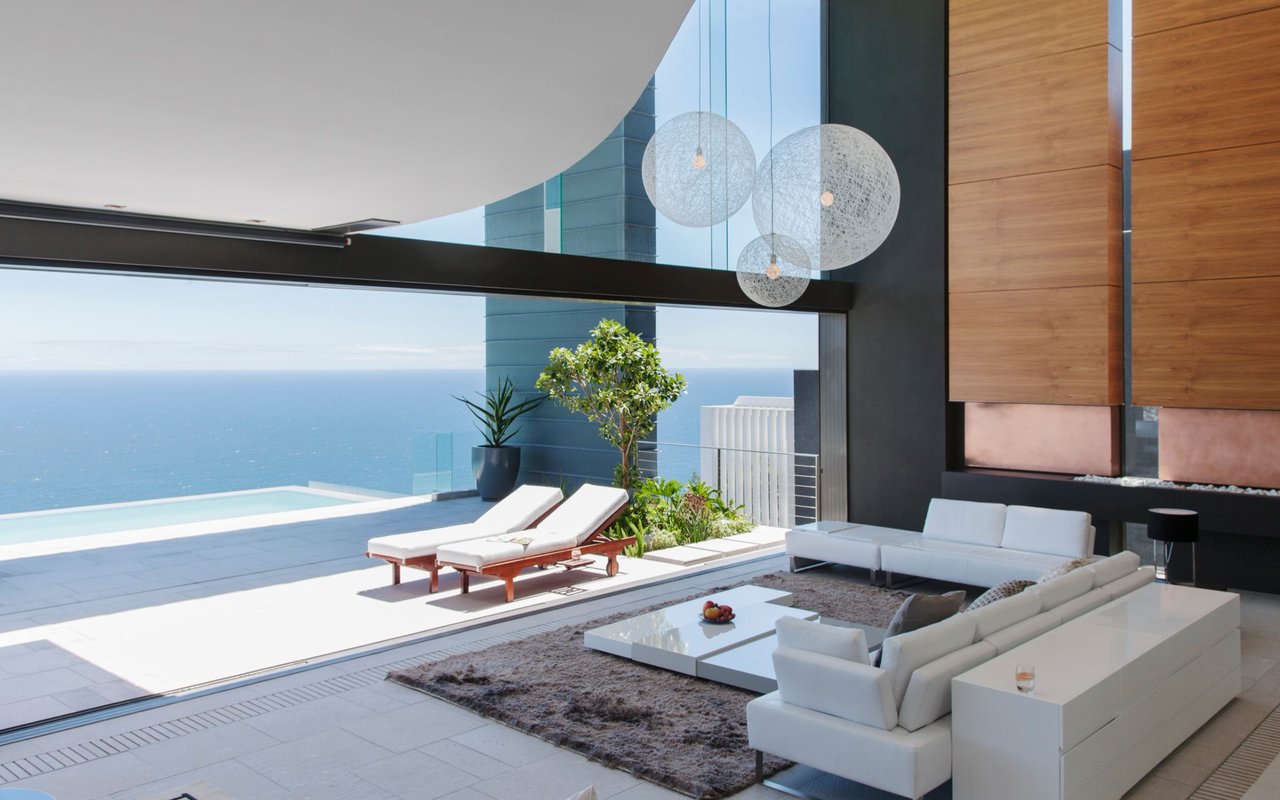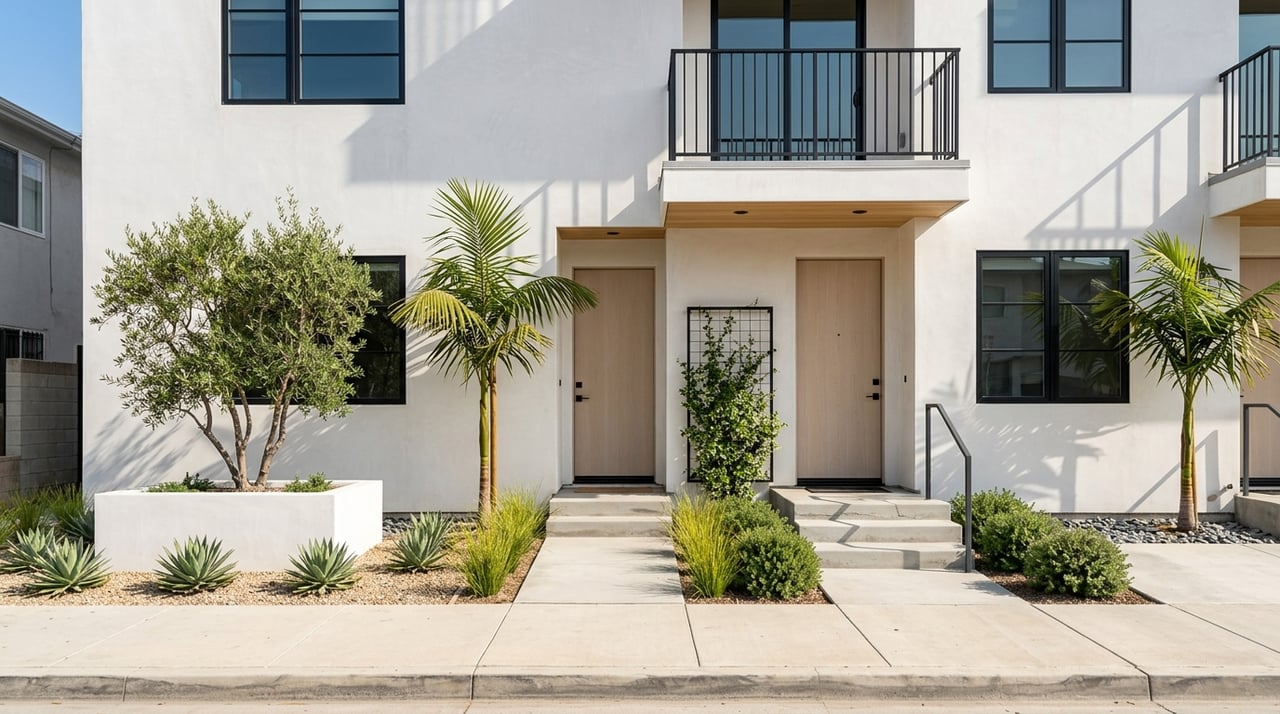
Want to own a home on the Westside and have tenants help pay the mortgage? Duplexes and triplexes in Mar Vista can make that happen. Prices are high and returns can look thin at first glance, but with smart financing and the right value‑add moves, a house‑hack here can be a durable long‑term play. In this guide, you’ll see real numbers for prices and rents, a simple underwriting example, financing paths for 2–4 units, what zoning allows, and a practical due‑diligence checklist. Let’s dive in.
Why Mar Vista for small multi
Mar Vista sits close to major job centers, beaches, and transit corridors, which supports steady rental demand. The neighborhood offers a mix of older duplexes and triplexes on residential streets plus scattered fourplexes. Inventory is limited and can sit in the low teens of active listings at any given time, so being prepared matters. If you want coastal‑adjacent living with income potential, this pocket is worth a focused search.
What duplexes and triplexes cost
On the Westside, small multi is priced tightly. In Mar Vista today, multi‑family listing medians often land roughly around 1.6 to 1.8 million dollars for 2–4 unit properties. Single‑family homes nearby generally trade higher, which is why many buyers consider a small multi to offset monthly costs.
- Duplex: commonly about 900,000 to 2.0 million dollars depending on lot, unit mix, and condition.
- Triplex: frequently about 1.0 to 1.8 million dollars or more.
- Fourplex: typically 2.0 million dollars and up.
A concrete local example: a Mar Vista triplex at 12013 Sylvester St sold in 2025 for about 1,305,000 dollars with a 2 × 2‑bed and 1 × 1‑bed mix. You can review the public record details on the 12013 Sylvester St triplex sale.
Rents and simple return math
Neighborhood rent medians in the 90066 area are a helpful starting point. Recent aggregators show roughly 2,300 to 2,600 dollars for a typical 1‑bed and about 3,000 to 3,300 dollars for a 2‑bed, with renovated units toward the high end and older stock near the low end. For current comps, scan active listings across similar unit types and finishes in Mar Vista. You can reference neighborhood medians on Zumper’s Mar Vista rent page.
Here is a quick underwriting example using the Sylvester St sale above and neighborhood medians.
- Rents assumed: two 2‑beds at 3,175 dollars each and one 1‑bed at 2,395 dollars.
- Monthly gross: 8,745 dollars. Annual gross: 104,940 dollars.
- Gross Rent Multiplier (GRM): 1,305,000 divided by 104,940 is about 12.4x.
- If you assume a 40% expense ratio for small multi, projected NOI is about 62,964 dollars.
- Approximate going‑in cap rate: 62,964 divided by 1,305,000 is about 4.8%.
Takeaway: Westside small multis often show modest cap rates at purchase. To make numbers sing, many buyers pair owner‑occupant financing with value‑add moves like ADUs or a lease‑up toward market rents where allowed.
House‑hack financing options
Financing can be your biggest lever. A few owner‑occupant paths commonly used for 2–4 unit buys:
- FHA for 1–4 units: FHA insures loans on one to four unit properties you occupy, with minimum down payments as low as 3.5% for eligible borrowers who meet credit and guideline requirements. Review occupancy and mortgage insurance rules in the FHA Single‑Family Handbook.
- VA for eligible veterans: VA financing can be used on 1–4 units with owner occupancy. Confirm entitlement, occupancy, and lender overlays with a VA‑approved lender.
- Conventional owner‑occupied 2–4 units: Agency programs may allow lower down payments on 2–4 units in some cases, subject to reserves, income qualification, and loan limits. Program rules change, so verify with your lender and the Fannie Mae Selling Guide.
Practical move: get pre‑approved for at least two structures, such as FHA and a conventional option, then compare cash to close, payment, and reserve needs side by side.
Zoning and what you can build
Understanding what is permitted on your exact lot is essential before you underwrite upside.
Base zones for 2–4 units
Los Angeles zones like R2, RD, and R3 often allow duplexes or small multi under objective standards. Start with the City’s generalized zoning summary CP‑7150 to review lot area, setbacks, height, and parking basics. Always confirm the parcel’s exact zone and overlays. You can reference the City’s CP‑7150 zoning summary.
ADUs and JADUs
ADUs are a major value‑add on the Westside when site conditions allow. State and local rules provide ministerial review in many cases, common parking exemptions, and multiple configuration paths, including detached ADUs, garage conversions, and JADUs. Los Angeles maintains guidance, checklists, and a pre‑approved plan program through LADBS. Start with the LADBS ADU resource page. Remember that coastal, methane, or other overlays can affect timing and feasibility.
SB 9 on single‑family lots
California’s SB 9 created ministerial paths for two‑unit projects and certain urban lot splits on eligible single‑family parcels. Objective local standards and overlays still apply in Los Angeles. Review statewide guidance and links to local implementation via the state’s HCD SB 9 resources before underwriting any split potential.
Tenant protections and rent limits
The City of Los Angeles Rent Stabilization Ordinance (RSO) generally covers rental units first issued a Certificate of Occupancy on or before October 1, 1978. If a property or ADU is RSO‑covered, allowable rent increases and just‑cause rules apply and can materially affect cashflow and exit plans. Confirm coverage and requirements with LAHD. See the LA RSO overview.
Value‑add plays that work in Mar Vista
- Add an ADU or JADU. A permitted ADU can unlock a meaningful rent bump and long‑term value. Use LADBS checklists, confirm site feasibility, and consider pre‑approved plans to reduce plan‑check time.
- Lease up to market rents. Many small multis carry legacy leases below market. A careful lease audit, light renovations, and compliant rent setting can improve income when a unit turns. Always verify RSO or AB 1482 status first.
- Legalize a non‑permitted unit. Converting a bootleg unit to legal status with permits can add value, but budget for code upgrades and plan review.
- Separate utilities. Splitting meters can reduce operating expenses and simplify long‑term management.
- Explore SB 9 or long‑term redevelopment. In select cases, land value and SB 9 or multi‑unit zoning may drive the thesis, but entitlement timelines and overlays require patience and expert guidance.
Due‑diligence checklist for a small‑multi buy
Use this quick list before you write an offer:
- Zoning and overlays: confirm base zone and any overlays using City resources such as the CP‑7150 zoning summary.
- RSO status and tenant history: check Certificate of Occupancy date, LAHD registrations, rent roll, and lease terms via the LA RSO overview.
- Permits and code compliance: review LADBS records for past additions, conversions, and any ADU permits on the LADBS ADU resource.
- Utilities, parking, and metering: confirm how many meters, who pays what, and whether parking meets code and market expectations.
- Property taxes and assessments: estimate the new tax basis and any special assessments that may affect cashflow.
- Physical inspections: order general, roof, pest, sewer line, and systems inspections. For older buildings, consider seismic and electrical upgrades.
- Financing fit: align pre‑approval with the plan, such as FHA for low down or conventional with projected rental income. Review FHA occupancy rules in the FHA Handbook.
A sample house‑hack plan
Here is a simple blueprint you can adapt to your budget and goals.
- Get pre‑approved for two loan paths. Price your payment and cash to close with FHA and a conventional option so you know your ceiling and reserves.
- Target a property profile. Focus on a duplex or triplex with at least one soon‑to‑vacate unit or obvious ADU potential.
- Estimate rents conservatively. Use neighborhood medians from sources like Zumper and adjust for condition and parking.
- Run a zoning and overlay check. Use the CP‑7150 summary and City tools to confirm what the lot permits.
- Verify tenant protections. Cross‑check RSO coverage using the LA RSO overview so you do not assume immediate rent upside where it is not allowed.
- Validate ADU feasibility. Review the LADBS ADU resource and speak with an ADU‑experienced contractor to scope cost, parking, and utility tie‑ins.
- Pencil the value‑add. Model today’s income, then model after a turn or ADU completion. Aim for realistic timelines and soft costs.
Common pitfalls to avoid
- Assuming non‑permitted units are legal. Always verify prior permits and Certificate of Occupancy.
- Underestimating RSO limits. If covered, rent increases and relocation rules will shape your plan.
- Overlooking parking and utilities. Lack of parking or shared meters can hurt rentability and NOI.
- Missing big‑ticket items. Sewer, roof, and electrical can shift returns if not budgeted upfront.
- Picking the wrong loan fit. Reserve requirements and self‑sufficiency tests can differ by program.
Your next step
If you want to house‑hack in Mar Vista, start with clear numbers and a property profile that fits your plan. We will help you confirm zoning, analyze rent comps, and model returns with and without an ADU so you can move fast when the right listing appears. When you work with our boutique practice, you get hands‑on guidance, data‑driven advice, and a commitment to give back to a client‑nominated charity at closing.
Ready to map out your Mar Vista strategy? Reach out to Vida Ash to set up a focused search and a step‑by‑step purchase plan.
FAQs
What are typical duplex and triplex prices in Mar Vista?
- Duplexes often run about 900,000 to 2.0 million dollars, and triplexes commonly trade about 1.0 to 1.8 million dollars or more, depending on lot, unit mix, and condition.
How much rent can I expect per unit in Mar Vista?
- Neighborhood medians recently show about 2,300 to 2,600 dollars for a 1‑bed and roughly 3,000 to 3,300 dollars for a 2‑bed; see current medians on Zumper’s Mar Vista page.
Does the LA Rent Stabilization Ordinance apply to my building?
- RSO generally covers rental units first issued a Certificate of Occupancy on or before October 1, 1978; confirm coverage and rules with LAHD via the LA RSO overview.
Can I buy a 3‑ or 4‑unit with FHA at 3.5% down if I live in one unit?
- FHA permits owner‑occupied 1–4 unit purchases for eligible borrowers who meet guidelines; review details in the FHA Single‑Family Handbook and confirm with your lender.
What is SB 9 and could it help on a Mar Vista lot?
- SB 9 creates ministerial paths for two‑unit projects and certain lot splits on eligible single‑family parcels; check eligibility and local standards using the state’s HCD SB 9 resources.
How do I confirm if I can add an ADU to a duplex or triplex?
- Start with LADBS guidance and site‑specific constraints such as setbacks, parking, and overlays; the LADBS ADU resource outlines standards, checklists, and review timelines.